No products in the cart.



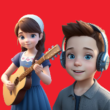

Parents often ask us at Kidztopia: “Which music instrument should my child start with?”
The answer isn’t about choosing the most impressive instrument, it’s about choosing one that feels fun, safe, and inviting for a young child.
From our experience running interactive play sessions and creative workshops for early learners, we’ve noticed something important: children stay engaged longer when music feels like play, not practice. Instruments that encourage free exploration, rhythm, and movement consistently outperform complex or adult-style instruments at this age.
This guide helps parents choose the best music instruments for kids aged 3–10, based on engagement, safety, development, and budget.
Music supports more than just creativity. When introduced playfully, it helps children develop:
At Kidztopia, we see children return to musical play zones again and again especially when instruments are intuitive and pressure-free.
You can also check some music toys in this section.
Based on parent feedback and real play-floor observations, the best instruments for young kids share these traits:
These features matter far more than brand names at this stage.
Examples: Hand drums, bongo toys, tabla-style percussion toys, shakers
Why kids love them:
Development benefits:
Budget range: ~ 10 – 12 KWD
Perfect as a first musical experience and ideal for noise-controlled play zones.
Why it works so well:
From our workshops, keyboards consistently hold attention longer than many other instruments.
Development benefits:
What to look for:
Budget range: ~ 22-65 KWD
These are great after a child shows musical curiosity.
Why start with toy or child-sized versions:
Development benefits:
Budget range: ~ 15-35 KWD
From Kidztopia play sessions:
Children return to these because they’re easy to succeed with.
Choose instruments with:
Always check for:
We want screen-free fun
Music instruments are one of the best unplugged activities; they combine movement, creativity, and learning naturally.
For most children aged 3–10, the best music instrument is one that allows free play, safe exploration, and instant joy.
Our top recommendations:
The best instrument isn’t the most advanced; it’s the one your child happily returns to.





Leave a comment